Why Crawl Space Mold Removal Requires a Professional Approach
Understanding the Hidden Danger in Your Crawl Space
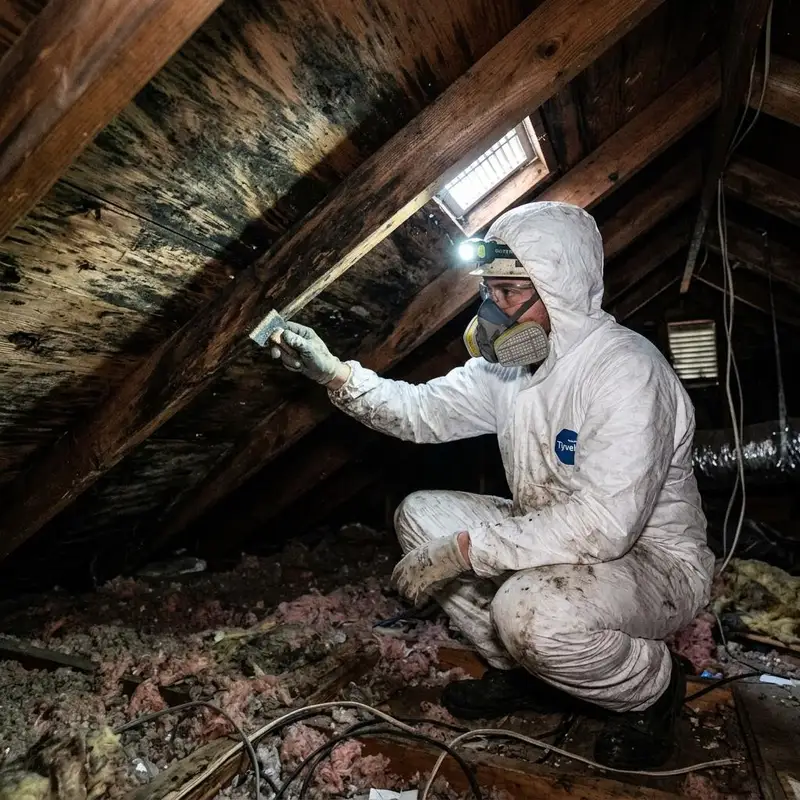
If you own a home in Fort Worth, you know that the combination of hot, humid summers and occasional heavy rain can create the perfect environment for mold growth. One of the most overlooked areas in any residential property is the crawl space. This narrow, dark zone beneath your house is often the first place mold takes hold, and it can spread unnoticed for years before you realize there is a problem. I have seen crawl spaces where the dirt floor has turned into a spongy, damp mess, and the wooden joists above are covered in a fuzzy layer of black mildew. That is the point where crawl space mold removal becomes an urgent necessity.
Most homeowners do not think about their crawl space until they smell something musty in the living room or notice a family member's allergy symptoms getting worse. By then, the fungus has already colonized a significant area. The challenge with crawl spaces is that they are notoriously hard to access. You cannot just walk in with a spray bottle and a scrub brush. You have to crawl through low openings, navigate around ductwork and plumbing, and work in an environment that is often poorly lit and full of debris. That is why professional mold remediation is almost always the right call for this specific area of the house.
Why Crawl Spaces Are a Breeding Ground for Mold
A crawl space is essentially a shallow basement. It is directly connected to the ground beneath your home, and unless it has been properly sealed, moisture will constantly migrate upward through the soil. This is where a vapor barrier comes into play. A thick polyethylene sheet laid over the dirt floor can dramatically reduce the amount of moisture that enters the crawl space air. But even with a vapor barrier, problems can arise if there is a leak from a pipe, a failing sump pump, or poor foundation ventilation.
I recall inspecting a commercial property in Fort Worth where the crawl space had been neglected for years. The owner thought a dehumidifier running in the corner of the basement was enough. But the crawl space itself had no ventilation. The air was stagnant, and the relative humidity was hovering around 80 percent. Mold was growing on the insulation, the floor joists, and even on the concrete walls. That kind of environment does not just produce a bad smell. It actively degrades the structural integrity of the building over time. When you combine high humidity with organic material like wood or drywall, you are giving mold exactly what it needs to thrive.
The Difference Between Surface Cleaning and Full Remediation
Many people think they can handle crawl space mold removal with a bottle of bleach and a rag. Bleach is actually not the best choice for porous surfaces. On wood, bleach breaks down into salt and water, but it does not penetrate deep enough to kill the mold roots, or hyphae. That means the mold can grow right back within weeks. Professional mold removal focuses on removing the mold colonies themselves, not just bleaching the visible spores away. This often involves HEPA-filtered vacuuming to capture airborne spores, followed by scrubbing with a specialized cleaning agent, and then applying an antimicrobial coating to prevent regrowth.
Encapsulation is another technique used by pros. Instead of trying to kill every last spore, the affected area is sealed with a paint-like coating that locks the mold inside. This is often the smartest approach for crawl spaces because the surfaces are rarely seen and you do not want to disturb the spores again. Encapsulation is not a shortcut; it is a deliberate strategy that works well in tight, hard-to-reach areas. But it only works if the moisture source has been addressed first. Otherwise, the mold will simply find a new path to the surface.
Moisture Control Is the Real Solution
You can remove mold from a crawl space today, but if the underlying moisture problem is not fixed, the mold will be back within a few months. That is why any reputable mold remediation company will not just clean the visible growth. They will also look at the root causes: leaking pipes, poor grading around the foundation, inadequate gutter systems, or a missing sump pump. In Fort Worth, where the clay soil expands and contracts with moisture changes, foundation cracks are common. Those cracks let water seep into the crawl space after every heavy rain.
A good moisture control plan for a crawl space includes several elements. First, ensure the ground around the foundation slopes away from the house. Second, install a vapor barrier if one is not already present. Third, add foundation ventilation so that moist air can escape. Fourth, use a dehumidifier if the crawl space is enclosed. Fifth, fix any water damage immediately, whether it comes from a plumbing leak or a flood. These steps are not glamorous, but they are the difference between a dry, healthy crawl space and a moldy one.
Health Risks and Air Quality Concerns
The mold growing in your crawl space does not stay there. Spores are tiny and light. They float upward through gaps in the floor, around pipes, and through electrical outlets. Once they enter your living space, they can cause allergic reactions, asthma attacks, and other respiratory problems. I have worked with families where one member had chronic sinus infections, and the only change that cleared it up was professional crawl space mold removal and an improvement in the home's air quality. A HEPA filter running in the living area helps, but it is not a substitute for removing the source.
Commercial properties face the same issue, only on a larger scale. An office building with a moldy crawl space can affect the health of dozens of employees. The liability exposure alone is a good reason to invest in proper remediation. Mold inspection should be part of any routine property maintenance, especially in older buildings or those with known water damage history.
The Crawl Space Mold Removal Process Step by Step
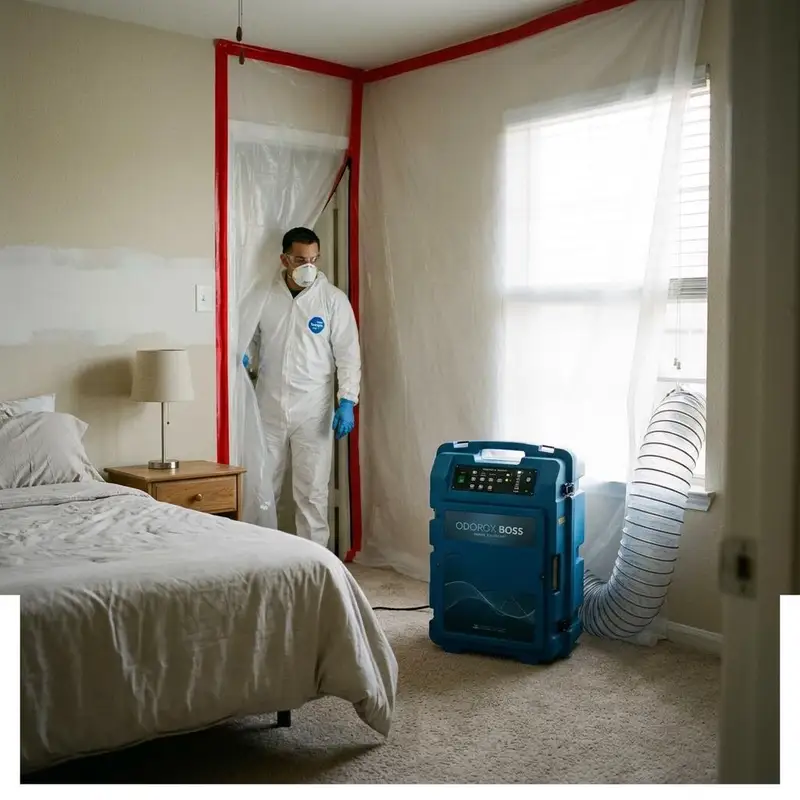
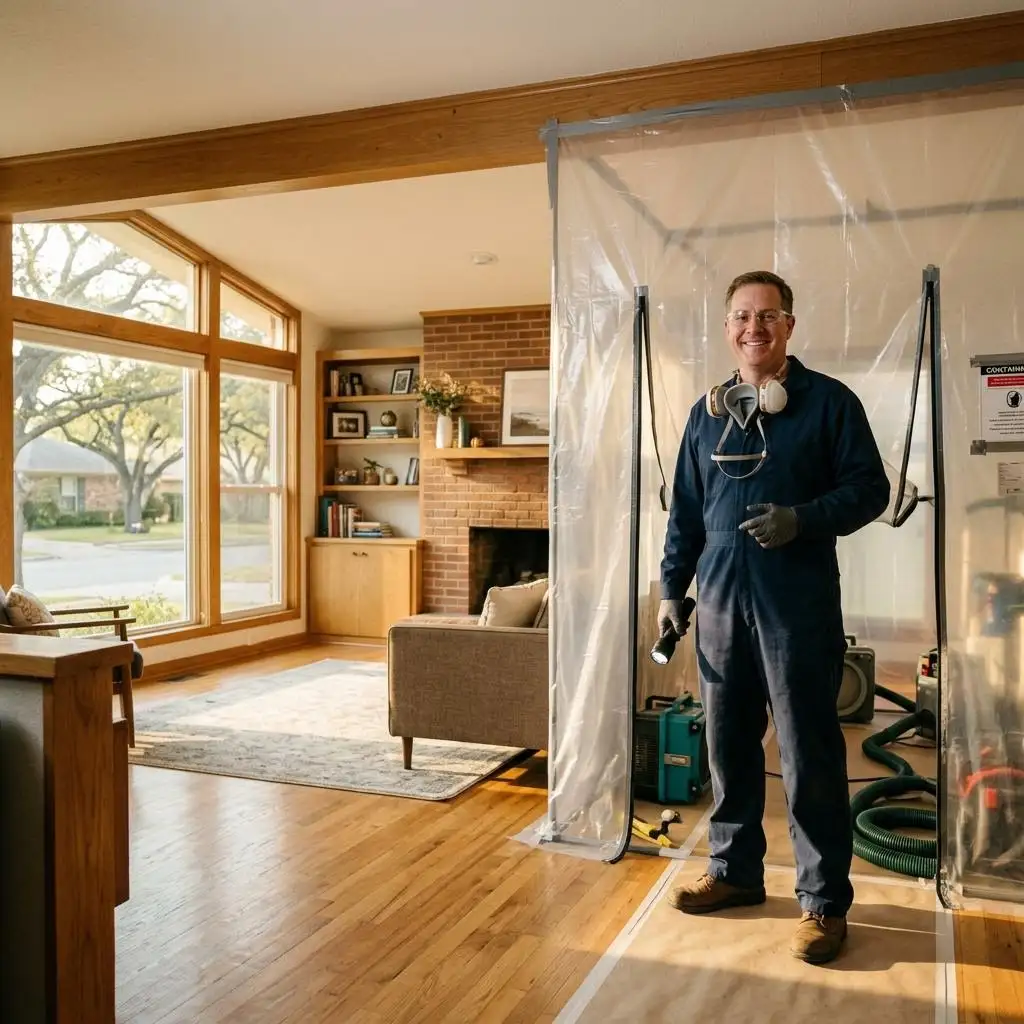
When a professional team comes in for crawl space mold removal, they follow a systematic process. The first step is a thorough mold inspection to identify the extent of the growth and the moisture sources. They will check for leaks, measure humidity levels, and look at the condition of the vapor barrier if there is one. Next, they isolate the crawl space from the rest of the house. This often involves sealing vents and doorways with plastic sheeting and running negative air pressure to prevent spores from spreading.
Then comes the actual removal. Large areas of mold on wood may be sanded or blasted with dry ice, but in a crawl space, manual scrubbing with a HEPA vacuum running is more common. The team will remove any contaminated insulation or debris. After cleaning, they apply an antimicrobial agent. Finally, they may encapsulate the surfaces. The last step is always to address the moisture problem, whether that means installing a sump pump, repairing a drainage issue, or improving foundation ventilation. Only when the moisture is controlled can you say the job is truly done.
Practical Tips for Homeowners
If you suspect mold in your crawl space, do not rush to clean it yourself. Disturbing mold without proper equipment can release a cloud of spores into your home. Instead, call a professional for a mold inspection first. They can tell you whether the problem is small enough for you to handle or extensive enough to require remediation. In the meantime, you can improve ventilation by opening crawl space vents and running a dehumidifier. Check for standing water after a storm and use a sump pump if necessary.
I also recommend keeping an eye on the condition of your vapor barrier. If it has tears or is not covering the entire dirt floor, it is not doing its job. A well-maintained crawl space with good moisture control rarely develops serious mold problems. But once it does, the clock is ticking. The longer you wait, the more extensive the damage becomes, and the more expensive the crawl space mold removal will be.
Key Takeaways
- Mold in crawl spaces is common in Fort Worth due to humidity and clay soil.
- Professional remediation is safer and more effective than DIY bleach cleaning.
- Moisture control, including vapor barriers and foundation ventilation, is essential.
- Air quality in the whole home suffers if the crawl space mold is ignored.
- Encapsulation can be a good solution for hard-to-reach areas after proper cleaning.
At the end of the day, crawl space mold removal is not just about cleaning away the visible growth. It is about restoring the health of your home and protecting the people who live or work there. If you live in Fort Worth and have a crawl space, do not wait until you smell the mildew. Schedule an inspection, get a clear picture of what is happening down there, and take action before the problem becomes a major renovation project. Your lungs and your wallet will thank you.